Dermalux Tri-Wave MD - Light Emitting Diode (LED) 


Targets

Boosts Collagen

Elastin Production

Improves Circulation

Reduces Redness

Reduces Irritation

Reduces Bacteria


Supercharges Cell Metabolism

Stimulates Skin Repair Mechanism

Promotes Post Procedure Recovery

Dermalux Tri-Wave MD - Light Emitting Diode (LED) 


Targets

Boosts Collagen

Elastin Production

Improves Circulation

Reduces Redness

Reduces Irritation

Reduces Bacteria


Supercharges Cell Metabolism

Stimulates Skin Repair Mechanism

Promotes Post Procedure Recovery

At Dr Sknn we offer Dermalux Tri-Wave MD LED phototherapy. It uses selected wavelengths of light for treatment plans based on your skin concern and clinical assessment.


The Tri-Wave MD delivers blue 415 nm, red 633 nm and near-infrared 830 nm light. The wavelength combination and settings depend on the indication and your individual treatment plan.

It is indicated for the treatment and management of a wide range of cosmetic, dermatological and medical indications and has Medical

CE certification for the treatment of acne, wound healing, psoriasis and pain (musculoskeletal). Cosmetic applications include skin rejuvenation, pigmentation, redness and sensitive skin conditions.


The Tri-Wave MD has an adjustable four-panel LED head. The programme and positioning are selected for the treatment area and intended use; an optimum or maximum result cannot be guaranteed.


Dermalux LED may be used for selected skin concerns and as part of an individually assessed combination plan. Suitability, likely benefit and possible discomfort, irritation or pigmentation changes depend on the person, device settings and other treatments. The Tri-Wave MD has an integrated cooling system, but this does not eliminate treatment risks or guarantee recovery or results.

Dermalux Tri-Wave MD - Light Emitting Diode (LED) 


Targets

Boosts Collagen

Elastin Production

Improves Circulation

Reduces Redness

Reduces Irritation

Reduces Bacteria

Supercharges Cell Metabolism

Stimulates Skin Repair Mechanism

Promotes Post Procedure Recovery

At Dr Sknn we offer Dermalux Tri-Wave MD LED phototherapy. It uses selected wavelengths of light for treatment plans based on your skin concern and clinical assessment.


The Tri-Wave MD delivers blue 415 nm, red 633 nm and near-infrared 830 nm light. The wavelength combination and settings depend on the indication and your individual treatment plan.

It is indicated for the treatment and management of a wide range of cosmetic, dermatological and medical indications and has Medical

CE certification for the treatment of acne, wound healing, psoriasis and pain (musculoskeletal). Cosmetic applications include skin rejuvenation, pigmentation, redness and sensitive skin conditions.


The Tri-Wave MD has an adjustable four-panel LED head. The programme and positioning are selected for the treatment area and intended use; an optimum or maximum result cannot be guaranteed.


Dermalux LED may be used for selected skin concerns and as part of an individually assessed combination plan. Suitability, likely benefit and possible discomfort, irritation or pigmentation changes depend on the person, device settings and other treatments. The Tri-Wave MD has an integrated cooling system, but this does not eliminate treatment risks or guarantee recovery or results.

At Dr Sknn we offer the following LED treatments

At Dr Sknn we offer the following LED treatments

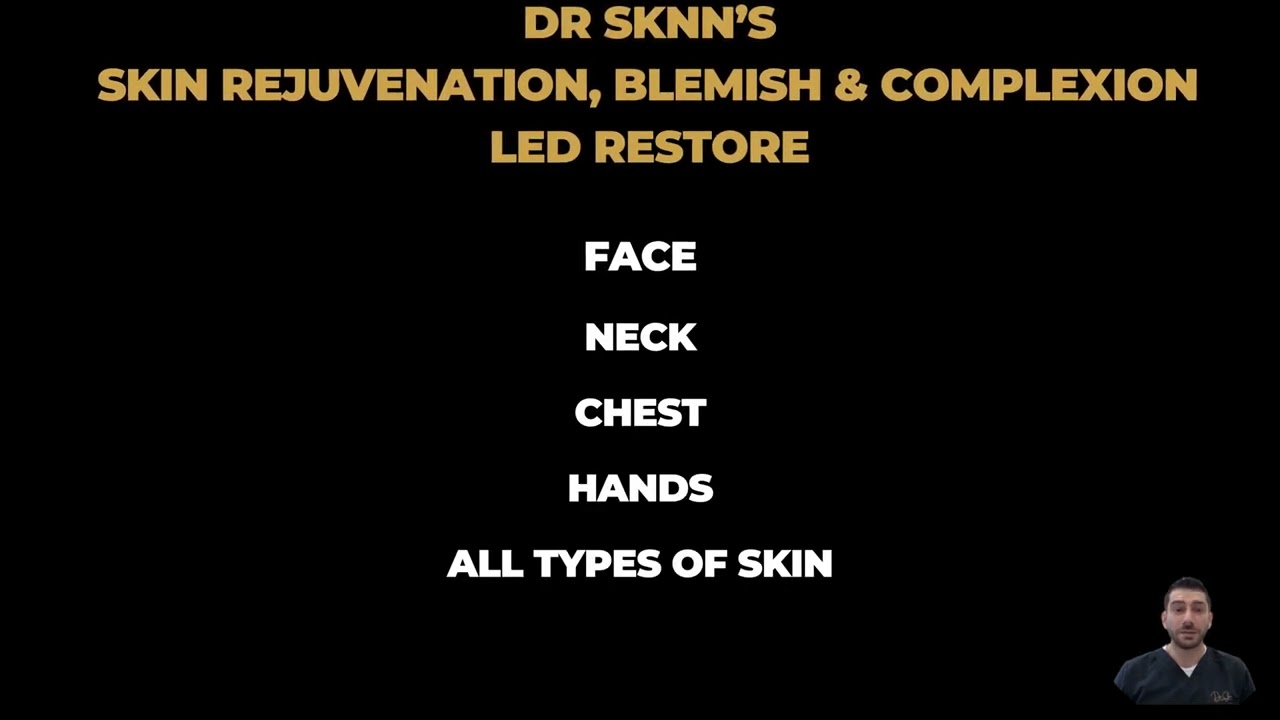
Dr Sknn’s Skin Rejuvenation, Blemish & Complexion LED Restore

By using specific wavelengths at Dr Sknn we are able to performa corrective and preventative treatment used LED to address concerns of intrinsic and extrinsic ageing over the face, neck, chest and hands of all types of skin.


Benefits: reduction in fine lines, photo-damage, loss of elasticity, enlarged pores, uneven skin tone, dull and sallow skin, dehydration, lack of radiance, puffiness and age spots.

Dr Sknn’s LED Acne Treatment

LED may be considered as part of a treatment plan for some inflammatory acne on the face, neck, chest or back. Suitability depends on the type and severity of acne, your skin, medicines and sensitivity to light.


Some inflammatory pimples may improve with visible blue or red light. It should not be relied on to clear blackheads, whiteheads, deep cysts or nodules, and prevention of acne scarring cannot be guaranteed.

Skin Rejuvenation Wilmslow Dr Sknn Before & After Picture
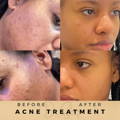
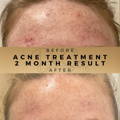
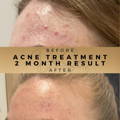
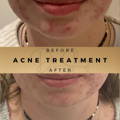
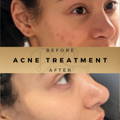
Acne Treatment Wilmslow Dr Sknn Before & After Picture

Dr Sknn’s Skin Rejuvenation, Blemish & Complexion LED Restore

By using specific wavelengths at Dr Sknn we are able to performa corrective and preventative treatment used LED to address concerns of intrinsic and extrinsic ageing over the face, neck, chest and hands of all types of skin.

Skin Rejuvenation Wilmslow Dr Sknn Before & After Picture

Learn More

How does Dr Sknn’s Skin Rejuvenation, Blemish & Complexion LED Restore work?


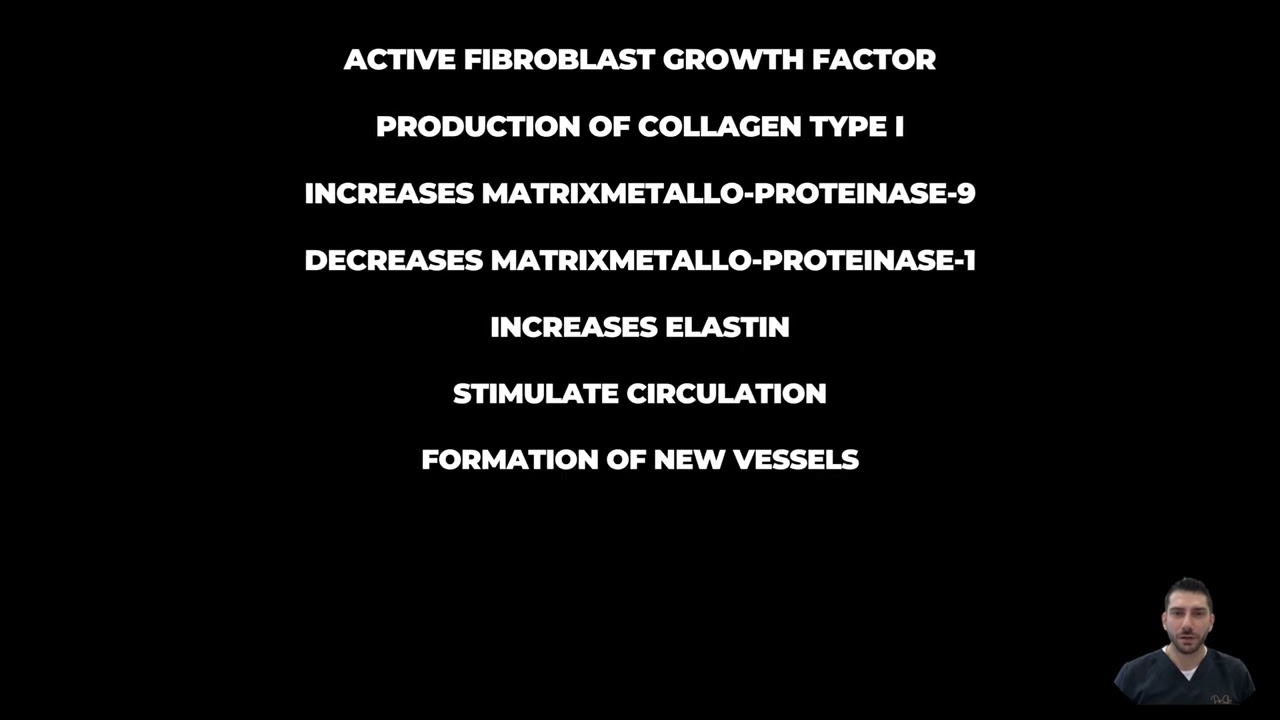
Red and near-infrared light can influence cellular activity involved in skin repair. Studies of selected LED devices and treatment settings have reported changes in collagen and improvements in the appearance of wrinkles or skin texture. The effects depend on the device, settings and skin concern, and an individual result cannot be guaranteed.


Dr Sknn’s LED Acne Treatment

LED may be considered as part of a treatment plan for some inflammatory acne on the face, neck, chest or back. Suitability depends on the type and severity of acne, your skin, medicines and sensitivity to light.

Acne Treatment Wilmslow Dr Sknn Before & After Picture

Learn More

Who will benefit the most from Dr Sknn’s LED Acne Treatment?


Persistent breakouts, red or inflamed pimples, oily skin and visible pores should be assessed to confirm their cause and whether acne treatment is needed. LED may be considered as part of a treatment plan for some inflammatory acne. Visible blue and red light can help some pimples, but should not be relied on to clear blackheads, whiteheads, deep cysts or nodules. Severe, painful or scarring acne needs medical assessment and an appropriate acne treatment plan. Suitability also depends on your medicines and sensitivity to light.


How does Dr Sknn’s LED Acne treatment work?


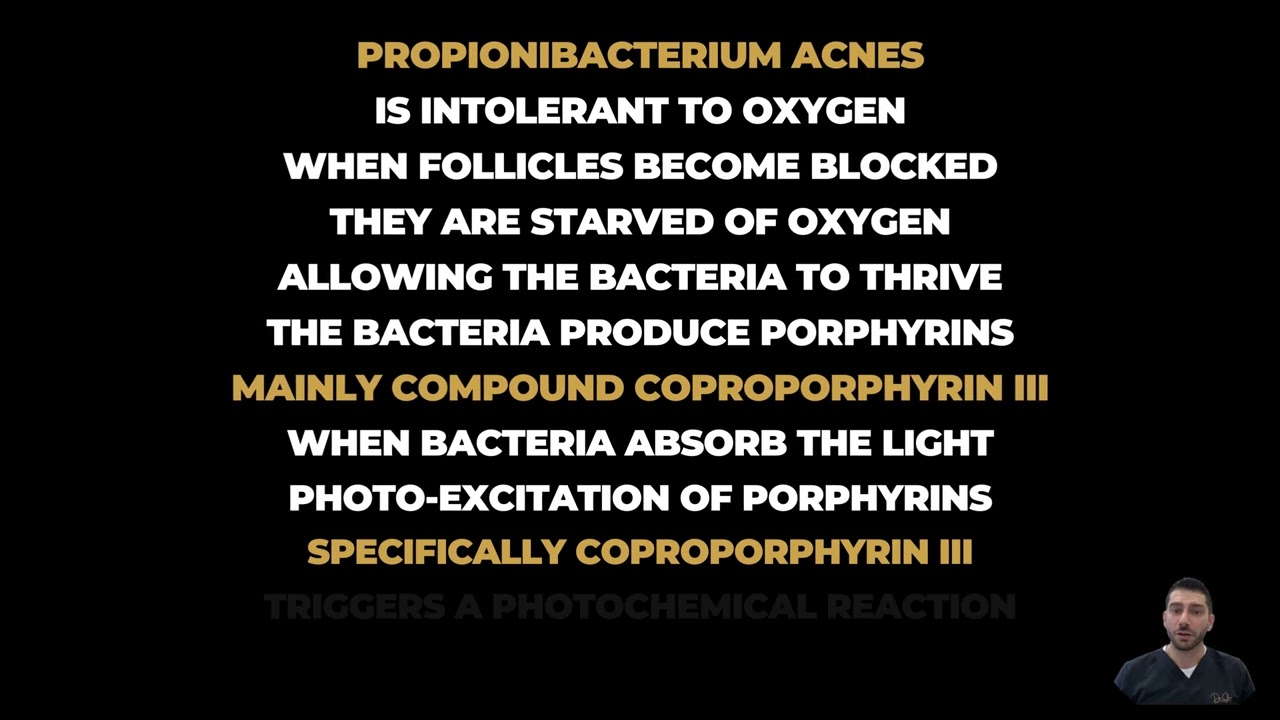
Blue light can excite porphyrins produced by Cutibacterium acnes, the bacterium formerly called Propionibacterium acnes. This can generate reactive oxygen species that damage the bacteria. Red and near-infrared light may also influence inflammatory and repair processes. These mechanisms do not guarantee acne clearance or prevention of scarring; the likely benefit and other treatment options need individual assessment.


In addition to the above the combination of wavelengths for mild to moderate and severe acne differ.

For inflammatory acne, blue light can excite porphyrins produced by Cutibacterium acnes. This can generate reactive oxygen species that damage the bacteria. The effect on acne varies, and other treatments may be needed.


Red and near-infrared light may influence inflammatory and repair processes, but these mechanisms do not establish that LED alone will control severe acne. Severe, painful or scarring acne needs medical assessment and an appropriate treatment plan.


Dr Sknn’s LED Redness Vascular Reduce

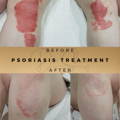
By using specific wavelengths at Dr Sknn we are able to improve the appearance of visible capillaries, diffused redness while improving environmental damage place on the skin.

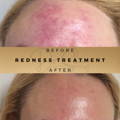
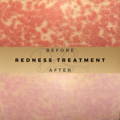
Redness Treatment Wilmslow Dr Sknn Before & After Picture

Learn More

Who will benefit the most from Dr Sknn’s LED Redness Vascular Reduce?


LED may be considered for selected people with facial redness after the cause has been assessed. A small study using Tri-Wave MD reported improvement in facial vascular redness, but it does not establish that everyone with visible capillaries, fragile skin or redness will benefit. Your clinician will discuss the likely benefit, risks and alternatives for your skin.


How does Dr Sknn’s LED Redness Vascular Reduce work?


Red and near-infrared LED light can influence cellular processes associated with inflammation and tissue repair. A small Tri-Wave MD study found improvement in facial vascular redness, but the evidence is preliminary and does not establish a predictable response for every cause of redness. Treatment choice depends on the diagnosis and individual assessment.


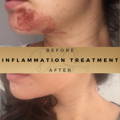
Dr Sknn’s Inflammation Reduce LED

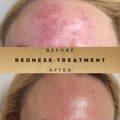
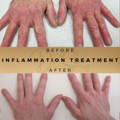
By using specific wavelengths at Dr Sknn we are able to improve the appearance of compromised, irritated, sensitive and reactive easily aggressed thin and vulnerable skin with persistent facial redness, flushing, diffused redness (rosy cheeks), blotchy redness and visible capillaries

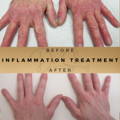
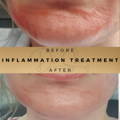
Inflammation Treatment Wilmslow Dr Sknn Before & After Picture

Learn More

Who will benefit the most from Dr Sknn’s Inflammation Reduce LED:


Persistent redness, flushing, irritation or sensitive skin can have different causes. These symptoms need assessment before LED is considered. LED is not suitable for every inflammatory or light-sensitive skin condition; your clinician will review your diagnosis, medicines and sensitivity to light and explain the likely benefits, risks and alternatives.


How does Dr Sknn’s Inflammation Reduce LED work?


Near-infrared LED light can influence cellular processes involved in inflammation and tissue repair. The clinical effect depends on the condition and treatment settings. Irritated, sensitive or persistently inflamed skin should be assessed so that an appropriate plan is chosen and any treatment that could worsen it is avoided.


Dr Sknn’s Pigmentation Reduce LED

Pigmentation has different causes, and the potential response to LED varies. Treatment should be selected after assessing the cause of the pigmentation and whether light treatment is suitable.

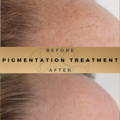
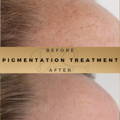
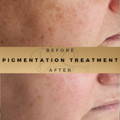
Pigmentation Treatment Wilmslow Dr Sknn Before & After Picture

Learn More

Who will benefit the most from Dr Sknn’s Pigmentation Reduce LED:


Melasma, dark marks after inflammation, and pigmentation linked to medicines or trauma have different causes and may respond differently to treatment. Photosensitive or phototoxic reactions require assessment; they are not an automatic indication for LED. Visible light can worsen pigmentation in some people. Your clinician will review the cause of the pigmentation, your medicines and sensitivity to light before deciding whether LED is appropriate.


How does Dr Sknn’s Pigmentation Reduce LED work?


Pigmentation has different causes, and the potential response to LED varies. Red and near-infrared light can affect cellular activity, but this does not establish that LED will remove every type of pigmentation. Melasma, previous dark marks after inflammation, medicines and sensitivity to light should be assessed before treatment. Visible light can worsen pigmentation in some people, so the device and treatment plan must be selected carefully. Follow your clinician’s advice about sun protection and skin care.


Cells need energy to regenerate, proliferate and repair. This energy is Adenosine Triphosphate (ATP).

The mitochondria (cell power plant) manufactures ATP.

ATP (adenosine triphosphate) is a molecule that transfers energy within cells. Cells make ATP through metabolic processes; oxygen and glucose are not ATP.

Mitochondria are responsive to Red & NIR light.

Photon energy is absorbed by cytochrome oxidase in the mitochondria.

This is converted to chemical energy to “power” cells.

Result: stimulates ATP production.

Initiates ‘biostimulation’ to increase cell proliferation and accelerate.

Changes in cellular activity do not establish that LED will remove every type of pigmentation. Visible light can worsen pigmentation in some people, so treatment needs individual assessment. Follow your clinician’s advice about sun protection and skin care.


Dr Sknn’s Psoriasis LED relief

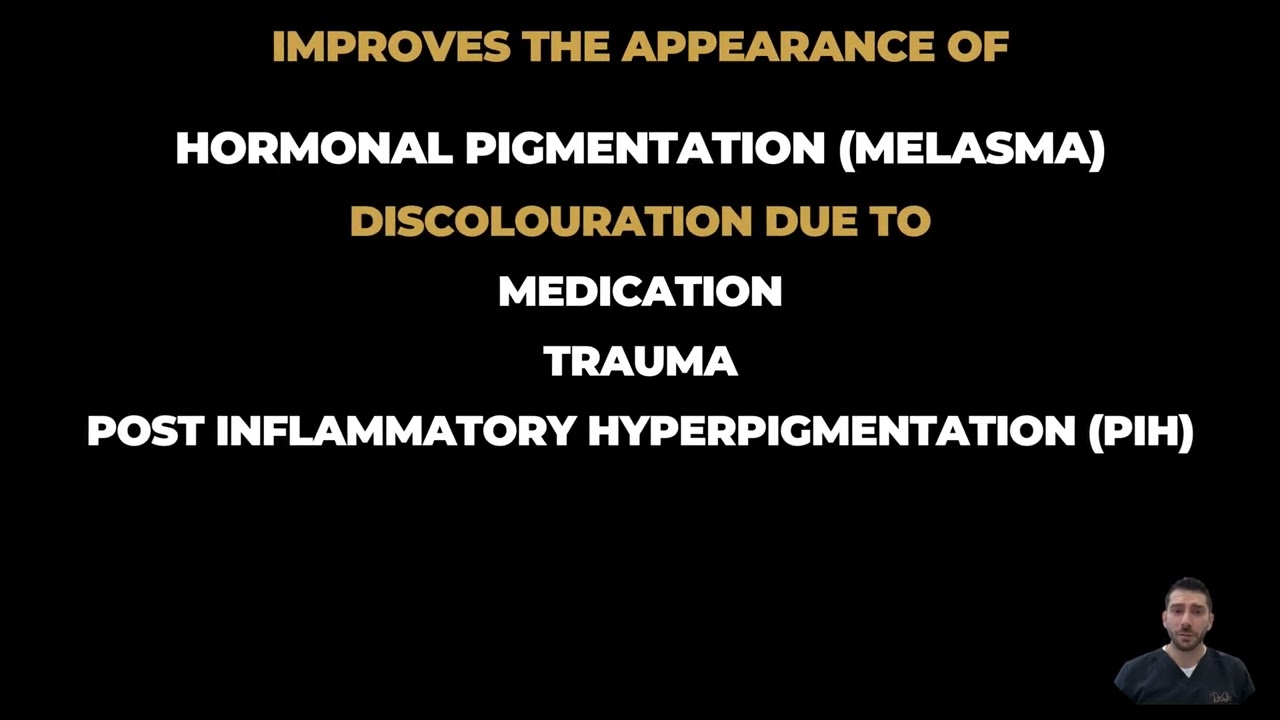
By using specific wavelengths at Dr Sknn we are able to improve red, flaky and scaly patches, irritated and itchy sores and inflammatory lesions caused by Psoriasis.
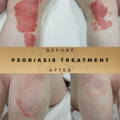
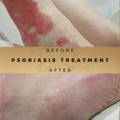
Psoariasis Treatment Wilmslow Dr Sknn Before & After

Learn More

Who will benefit the most from Dr Sknn’s Psoriasis LED Relief:


Psoriasis may cause red, flaky, scaly or itchy patches, but a diagnosis or these symptoms do not by themselves establish suitability for LED. The type and activity of the condition, your sensitivity to light and existing treatment plan need assessment. LED should not replace prescribed psoriasis treatment or be assumed equivalent to the ultraviolet phototherapy used in standard care.


How does Dr Sknn’s Psoriasis LED relief work?


LED light is different from the ultraviolet phototherapy used in standard psoriasis care. Red and near-infrared LED may influence cellular activity, but this does not establish reliable relief for every type of psoriasis. Any proposed LED treatment should be assessed alongside your diagnosis, disease activity and existing psoriasis treatment plan. Improvement cannot be guaranteed.


Learn More

How does Dr Sknn’s Skin Rejuvenation, Blemish & Complexion LED Restore work?


Red and near-infrared light can influence cellular activity involved in skin repair. Studies of selected LED devices and treatment settings have reported changes in collagen and improvements in the appearance of wrinkles or skin texture. The effects depend on the device, settings and skin concern, and an individual result cannot be guaranteed.


Learn More

Who will benefit the most from Dr Sknn’s LED Acne Treatment?


Persistent breakouts, red or inflamed pimples, oily skin and visible pores should be assessed to confirm their cause and whether acne treatment is needed. LED may be considered as part of a treatment plan for some inflammatory acne. Visible blue and red light can help some pimples, but should not be relied on to clear blackheads, whiteheads, deep cysts or nodules. Severe, painful or scarring acne needs medical assessment and an appropriate acne treatment plan. Suitability also depends on your medicines and sensitivity to light.


How does Dr Sknn’s LED Acne treatment work?


Blue light can excite porphyrins produced by Cutibacterium acnes, the bacterium formerly called Propionibacterium acnes. This can generate reactive oxygen species that damage the bacteria. Red and near-infrared light may also influence inflammatory and repair processes. These mechanisms do not guarantee acne clearance or prevention of scarring; the likely benefit and other treatment options need individual assessment.


In addition to the above the combination of wavelengths for mild to moderate and severe acne differ.

For inflammatory acne, blue light can excite porphyrins produced by Cutibacterium acnes. This can generate reactive oxygen species that damage the bacteria. The effect on acne varies, and other treatments may be needed.


Red and near-infrared light may influence inflammatory and repair processes, but these mechanisms do not establish that LED alone will control severe acne. Severe, painful or scarring acne needs medical assessment and an appropriate treatment plan.


Dr Sknn’s LED Redness Vascular Reduce

By using specific wavelengths at Dr Sknn we are able to improve the appearance of visible capillaries, diffused redness while improving environmental damage place on the skin.


Dr Sknn’s Inflammation Reduce LED

By using specific wavelengths at Dr Sknn we are able toimprove the appearance of compromised, irritated, sensitive and reactive easilyaggressed thin and vulnerable skin with persistent facial redness, flushing,diffused redness (rosy cheeks), blotchy redness and visible capillaries

Redness Treatment Wilmslow Dr Sknn Before & After Picture
Inflammation Treatment Wilmslow Dr Sknn Before & After Picture

Learn More

Who will benefit the most from Dr Sknn’s LED Redness Vascular Reduce?


LED may be considered for selected people with facial redness after the cause has been assessed. A small study using Tri-Wave MD reported improvement in facial vascular redness, but it does not establish that everyone with visible capillaries, fragile skin or redness will benefit. Your clinician will discuss the likely benefit, risks and alternatives for your skin.


How does Dr Sknn’s LED Redness Vascular Reduce work?


Red and near-infrared LED light can influence cellular processes associated with inflammation and tissue repair. A small Tri-Wave MD study found improvement in facial vascular redness, but the evidence is preliminary and does not establish a predictable response for every cause of redness. Treatment choice depends on the diagnosis and individual assessment.


Learn More

Who will benefit the most from Dr Sknn’s Inflammation Reduce LED:


Persistent redness, flushing, irritation or sensitive skin can have different causes. These symptoms need assessment before LED is considered. LED is not suitable for every inflammatory or light-sensitive skin condition; your clinician will review your diagnosis, medicines and sensitivity to light and explain the likely benefits, risks and alternatives.


How does Dr Sknn’s Inflammation Reduce LED work?


Near-infrared LED light can influence cellular processes involved in inflammation and tissue repair. The clinical effect depends on the condition and treatment settings. Irritated, sensitive or persistently inflamed skin should be assessed so that an appropriate plan is chosen and any treatment that could worsen it is avoided.


Dr Sknn’s Pigmentation Reduce LED

By using specific wavelengths at Dr Sknn we are able toimprove the appearance of Hormonal pigmentation (melasma), discolouration dueto medication or trauma, post inflammatory hyperpigmentation (PIH),photosensitive and phototoxic responses.

Dr Sknn’s Psoriasis LED relief

By using specific wavelengths at Dr Sknn we are able toimprove red, flaky and scaly patches, irritated and itchy sores and inflammatorylesions caused by Psoriasis.

Learn More

Who will benefit the most from Dr Sknn’s Psoriasis LED Relief:


Psoriasis may cause red, flaky, scaly or itchy patches, but a diagnosis or these symptoms do not by themselves establish suitability for LED. The type and activity of the condition, your sensitivity to light and existing treatment plan need assessment. LED should not replace prescribed psoriasis treatment or be assumed equivalent to the ultraviolet phototherapy used in standard care.


How does Dr Sknn’s Psoriasis LED relief work?


LED light is different from the ultraviolet phototherapy used in standard psoriasis care. Red and near-infrared LED may influence cellular activity, but this does not establish reliable relief for every type of psoriasis. Any proposed LED treatment should be assessed alongside your diagnosis, disease activity and existing psoriasis treatment plan. Improvement cannot be guaranteed.


Pigmentation Treatment Wilmslow Dr Sknn Before & After Picture
Psoriasis Treatment Wilmslow Dr Sknn Before & After Picture

Learn More

Who will benefit the most from Dr Sknn’s Pigmentation Reduce LED:


Melasma, dark marks after inflammation, and pigmentation linked to medicines or trauma have different causes and may respond differently to treatment. Photosensitive or phototoxic reactions require assessment; they are not an automatic indication for LED. Visible light can worsen pigmentation in some people. Your clinician will review the cause of the pigmentation, your medicines and sensitivity to light before deciding whether LED is appropriate.


How does Dr Sknn’s Pigmentation Reduce LED work?


Pigmentation has different causes, and the potential response to LED varies. Red and near-infrared light can affect cellular activity, but this does not establish that LED will remove every type of pigmentation. Melasma, previous dark marks after inflammation, medicines and sensitivity to light should be assessed before treatment. Visible light can worsen pigmentation in some people, so the device and treatment plan must be selected carefully. Follow your clinician’s advice about sun protection and skin care.


Cells need energy to regenerate, proliferate and repair. This energy is Adenosine Triphosphate (ATP).

The mitochondria (cell power plant) manufactures ATP.

ATP (adenosine triphosphate) is a molecule that transfers energy within cells. Cells make ATP through metabolic processes; oxygen and glucose are not ATP.

Mitochondria are responsive to Red & NIR light.

Photon energy is absorbed by cytochrome oxidase in the mitochondria.

This is converted to chemical energy to “power” cells.

Result: stimulates ATP production.

Initiates ‘biostimulation’ to increase cell proliferation and accelerate.

Changes in cellular activity do not establish that LED will remove every type of pigmentation. Visible light can worsen pigmentation in some people, so treatment needs individual assessment. Follow your clinician’s advice about sun protection and skin care.


How Does it work?

LED phototherapy exposes the skin to selected visible or near-infrared wavelengths. Photobiomodulation describes how absorbed light can alter cellular signalling and activity. The Tri-Wave MD uses blue 415 nm, red 633 nm and near-infrared 830 nm light, with the programme selected for the intended treatment. Evidence and results differ by condition and settings. LED treatment is non-invasive, but suitability, possible discomfort or irritation, sensitivity to light and eye protection still need to be considered.

What should I expect during the Consultation?


At Dr Sknn, during the consultation a medical history including a physical examination will be performed including photographs. During the consultation there will be an opportunity to discuss any concerns, expectations, results, or questions you may have. Prior to the treatment any post treatment advice and risks associated with the treatment are discussed ensuring you fully understand them. 


Can I have the treatment Immediately?


At Dr Sknn, safety and eligibility to treatment is of highest priority, prior to any treatment, as no one size fits all, a full consultation will be performed and if found suitable to the treatment, then the treatment can be safely performed


What should I expect during the Consultation?


At Dr Sknn, during the consultation a medical history including a physical examination will be performed including photographs.During the consultation there will be an opportunity to discuss any concerns, expectations, results, or questions you may have. Prior to the treatment any post treatment advice and risks associated with the treatment are discussed ensuring you fully understand them. 

Can I have the Treatment Immediately?

At Dr Sknn, safety and eligibility to treatment is of highest priority, prior to any treatment, as no one size fits all, a full consultation will be performed and if found suitable to the treatment, then the treatment can be safely performed

Acne Treatment Wilmslow Dr Sknn Before & After Picture
Redness Treatment Wilmslow Dr Sknn Before & After Picture
Pigmentation Treatment Wilmslow Dr Sknn Before & After Picture
Skin Rejuvenation Wilmslow Dr Sknn Before & After Picture
TrapTox Wilmslow Dr Sknn Before & After Picture
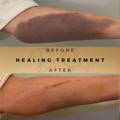
Wound Healing Treatment Wilmslow Dr Sknn Before & After Picture
Acne Treatment Wilmslow Dr Sknn Before & After Picture
Pigmentation Treatment Wilmslow Dr Sknn Before & After Picture
Acne Treatment Wilmslow Dr Sknn Before & After Picture
Redness Treatment Wilmslow Dr Sknn Before & After Picture
Inflammation Treatment Wilmslow Dr Sknn Before & After Picture
Acne Treatment Wilmslow Dr Sknn Before & After Picture
Pigmentation Treatment Wilmslow Dr Sknn Before & After Picture
Acne Treatment Wilmslow Dr Sknn Before & After Picture
Psoariasis Treatment Wilmslow Dr Sknn Before & After Picture
Inflammation Treatment Wilmslow Dr Sknn Before & After Picture

Frequently Asked Questions

Do you combine LED with other Treatments?

LED may be used alongside other treatments when the combination is appropriate. Your clinician will assess the other procedure, your skin, medicines and the timing before recommending a combined plan. Recovery and results depend on the treatments involved; adding LED cannot guarantee faster healing or prevent complications.

Can you Pre-Treat with LED?

LED may be considered as part of skin preparation for a planned procedure. Preparation should be tailored to the procedure and your individual risks. It cannot guarantee a successful result or prevent pigmentation changes, scarring, infection or slow healing. Your clinician will explain whether LED preparation is appropriate and what other preparation is needed.
How many LED sessions would I need for pre-treatment?

For optimum results it is advised to have 4 Tri-Wave MD®treatments; 2 sessions per week prior to an invasive procedure to enhanceoverall treatment results and reduce post procedure downtime.
Is there any downtime following Treatment?

No there is no downtime with LED treatment

What to Expect during the Treatment

The area being treated will be thoroughly cleaned and photographed, you will be provided with googles for protection. The LED head will be placed over the area that will be treated.
Who Can’t have LED treatment

Some of the contraindications are listed below. Please note that during the consultation we will assess suitability for the treatment


Epilepsy or Seizures

Porphyria

Lupus Erythematous

Polymorphic Light Eruption

How Long Does the Treatment take?

The Tri-Wave MD indication-specific preset programmes use a 20-minute light exposure, and its post-treatment presets use 10 minutes. Custom programmes and the overall appointment length can differ. Your practitioner will confirm the programme and duration planned for you.


How many Treatments are required?

With the Dermalux Tri-Wave MD®, treatment results arecumulative, and sessions taken in close succession are generally recommended.


The number of treatments required to achieve optimum resultsmay be subject to a number of factors which will be discussed during theconsultation, these include but are not limited to age, skin type, severity ofindication, lifestyle factors and other procedures that may be included in theoverall treatment programme.


10 Tri-Wave MD® treatments are generally recommended for allindications at a frequency of 2 sessions per week.


You will then be reviewed at the end of the course to assessprogress and further treatments may then be advised as required.


Please note: Due to naturally higher levels of melanin indarker skin types (types IV to VI), additional LED treatments may be requiredfor optimum results. However, initially it is recommended to follow therecommended treatment protocols and review throughout the treatment programme.

Every how long can I have a Treatment sessions?

A 24-hour time period between treatments is generally recommended for inflammatory conditions such as acne, redness and sensitive skin, so treatments may be delivered with a day in between sessions.


For general skin rejuvenation, treatments can be taken in daily succession.

How can I maintain my results?

First and foremost the avoidance of lifestyle factors and sun exposure in addition to using sun protection factor will prolong the results and reduce further age and sun related ageing. 


By utilising skin care regimes – by performing a skin analysis at Dr Sknn we are able to provide you with a patient centered personalised tailor-made skincare regime that has a possible combinations of 57 possible concentrations and 1159 possible combinations to maintain results


Due to cell activation, results can last for several weeks following a course of Dermalux treatments. However, regular maintenance treatments are advised to extend results as part of an on-going skin health programme.